


Exploring Art's Healing Benefits: How Creativity Transforms Well-Being

I'd like to introduce myself, Lynn Soles of Art Positive located in Clayton NC. Art has long been a source of inspiration and expression, but its impact goes far beyond aesthetics. Art saved me many times through depression. The act of creating with help of my creator brings live back into focus for me. I am a licensed art therapist here in Clayton. Across cultures and generations, creative activities have played a vital role in emotional and psychological healing. This post delves into the many ways art supports mental health, emotional balance, and personal growth. Whether through painting, music, dance, or writing, engaging with art can unlock profound healing potential.
Understanding Art's Healing Benefits
Art offers a unique pathway to healing because it engages the mind, body, and spirit simultaneously. Unlike traditional talk therapies, art allows individuals to express feelings that may be difficult to verbalize. This nonverbal communication can be especially helpful for those coping with trauma, anxiety, or depression.
Some key benefits of art in healing include:
Emotional release: Creating art provides a safe outlet for emotions such as grief, anger, or fear.
Stress reduction: The focus and mindfulness involved in artistic activities help lower cortisol levels and promote relaxation.
Self-awareness: Art encourages introspection and helps people understand their inner experiences better.
Improved cognitive function: Engaging in creative tasks stimulates brain areas related to problem-solving and memory.
Social connection: Group art projects foster community and reduce feelings of isolation.
For example, art therapy programs in hospitals and rehabilitation centers have shown promising results in improving patients’ mood and coping skills. Similarly, community art workshops can empower marginalized groups by giving them a voice and a sense of accomplishment.

Why is art an effective form of healing?
Art’s effectiveness as a healing tool lies in its ability to bypass the limitations of language and tap directly into emotional and sensory experiences. When words fail, colors, shapes, and textures can communicate complex feelings and memories.
Here are several reasons why art works so well for healing:
Nonverbal expression: Trauma and deep emotional pain are often stored in the body and subconscious. Art allows these to surface without the need for verbal explanation.
Mindfulness and flow: Creating art induces a state of flow where individuals become fully immersed in the present moment, reducing rumination and anxiety.
Symbolic processing: Artistic symbols can represent internal conflicts or hopes, making them easier to explore and resolve.
Empowerment: Completing an artwork provides a sense of mastery and control, which is crucial for those feeling helpless.
Physical engagement: The tactile nature of many art forms connects the mind and body, promoting holistic healing.
For instance, a person recovering from PTSD might find it easier to paint their feelings rather than describe them. This process can help integrate traumatic memories and reduce their emotional charge.
Practical Ways to Incorporate Art into Healing
You don’t need to be an artist to benefit from the healing power of art. Here are some accessible ways to include creative expression in your wellness routine:
Daily journaling or sketching: Spend 10-15 minutes writing or drawing your thoughts and feelings.
Adult coloring books: These provide a structured yet creative outlet that promotes relaxation.
Photography walks: Capture images that resonate with your mood or environment to foster mindfulness. And then we can paint or draw your favorites!
Music and movement: Listening to a favorite playlist
Join art therapy groups: Art Positive offers workshops or one on one time too.
When starting, focus on the process rather than the outcome. Allow yourself to experiment without judgment. Over time, you may notice increased emotional clarity and reduced stress. We actually create finished products which I feel is important to feel closure and understanding.
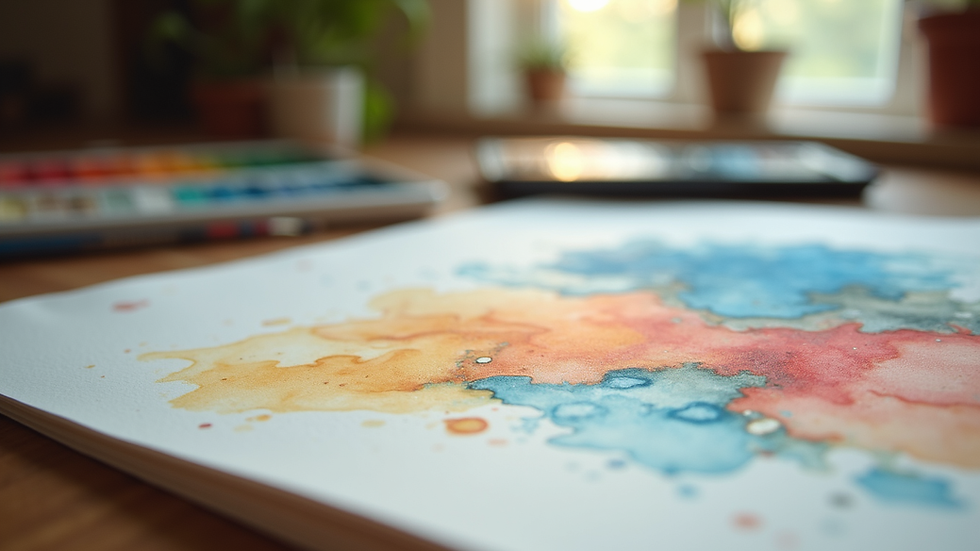
How Art Supports Mental Health Recovery
Art is increasingly recognized as a valuable complement to traditional mental health treatments. It can:
Reduce symptoms of depression and anxiety: Engaging in creative activities boosts serotonin and dopamine levels.
Enhance emotional regulation: Art helps individuals identify and manage difficult emotions.
Build resilience: The creative process encourages problem-solving and adaptability.
Provide a sense of purpose: Creating art can restore motivation and hope during recovery.
Facilitate communication: Art can bridge gaps between patients and therapists, especially when discussing sensitive topics.
Clinical studies have demonstrated that art therapy can improve outcomes for people with schizophrenia, bipolar disorder, and eating disorders. It also supports trauma survivors by providing a non-threatening way to process painful experiences.
Encouraging Creativity for Lifelong Healing
Incorporating art into daily life is a powerful way to maintain emotional balance and foster ongoing healing. Here are some tips to keep creativity alive:
Set aside regular time: Even 15 minutes a day can make a difference.
Create a dedicated space: A small corner with art supplies invites spontaneous creativity.
Experiment with different mediums: Try painting, collage, clay, or digital art to find what resonates.
Share your work: Join local art groups or online communities to connect with others.
Practice self-compassion: Remember that art is a journey, not a competition.
By embracing the healing power of art, you can nurture your mental and emotional well-being in a deeply personal and fulfilling way.
Art is more than just a hobby or decoration - it is a vital tool for healing and growth. Whether you are seeking relief from stress, coping with trauma, or simply looking to enhance your emotional health, creative expression offers a path to transformation. Start small, stay curious, and let art guide you toward greater peace and resilience.
Give me an online visit at www.artpositivenc.com or call Lynn at 919-291-7810


Comments